
Describe the property
Send the location, symptoms, equipment and access details. State whether the work is a repair, replacement or planned project.
Planning duct cleaning in the town of Simcoe, Norfolk County? Describe the supply and return system, access and the concern you want assessed. Dryer vents, HRV units and furnace or AC components need separate scopes. Include your postal code so the responding provider can confirm the location and availability.
Get A Free QuoteAsk how negative pressure and brushing will cover each branch, and whether trunk-line views can document conditions before and after. Include additions and modified runs in the scope.
View scopeCompare the proposed route with the full pipe from dryer to hood. Ask whether brushing includes both ends, whether visible nest material will be checked, and how airflow will be assessed.
View scopeClarify whether the blower wheel, evaporator coil, and condensate path are included. Access and equipment design affect the method; cleaning is separate from HVAC diagnosis or repair.
View scopeIdentify the HRV core, air handler, bathroom exhaust, or kitchen hood involved. Ask which components and duct routes are included, and verify filter size and orientation for the unit.
View scopeConsider treatment only after discussing the odour source and cleaning scope. Request the product name, label directions, application details, and any re-entry guidance before deciding.
View scopePhotograph accessible leaks or crushed runs and ask how each will be assessed. Return-side and supply-side leaks differ, and damaged duct may need replacement rather than patching.
View scopeList the systems, access conditions, operating hours, and documentation requirements for your site. Rooftop and make-up air equipment may need a separate, site-based scope.
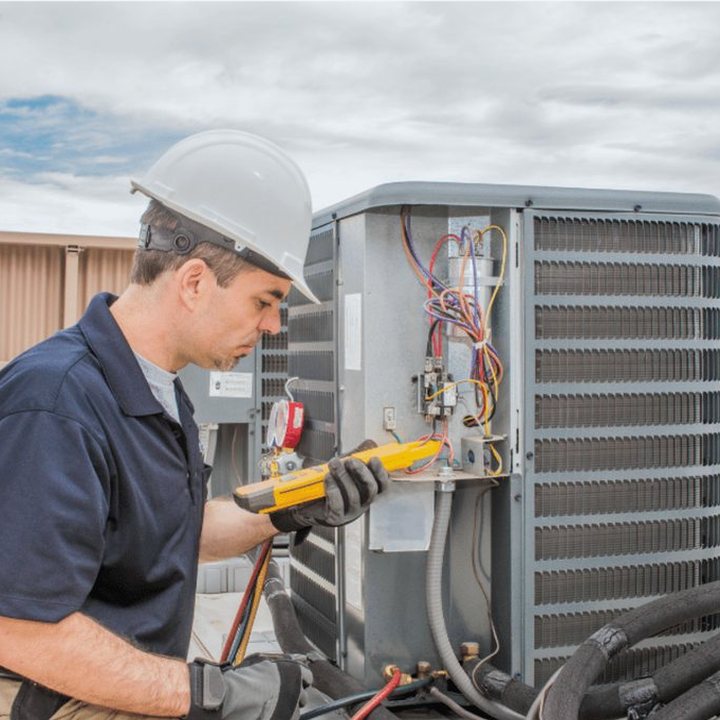
View scopeCommercial ventilation scopes depend on the equipment, site use, access, and required documentation. Before requesting a proposal for a shop, kitchen, banquet space, farm office, or other facility in Simcoe, list the systems involved and identify operating hours or restricted areas. Rooftop package units and make-up air equipment should be described by model and access conditions; square footage alone may not define the work. Ask what records, photographs, and completion notes can be provided, and compare scheduling options with your site's operating needs.
Ask how negative pressure and brushing will cover each branch, and whether trunk-line views can document conditions before and after. Include additions and modified runs in the scope. Compare the proposed route with the full pipe from dryer to hood. Ask whether brushing includes both ends, whether visible nest material will be checked, and how airflow will be assessed. Clarify whether the blower wheel, evaporator coil, and condensate path are included. Access and equipment design affect the method; cleaning is separate from HVAC diagnosis or repair.
Identify the HRV core, air handler, bathroom exhaust, or kitchen hood involved. Ask which components and duct routes are included, and verify filter size and orientation for the unit. Consider treatment only after discussing the odour source and cleaning scope. Request the product name, label directions, application details, and any re-entry guidance before deciding.
Photograph accessible leaks or crushed runs and ask how each will be assessed. Return-side and supply-side leaks differ, and damaged duct may need replacement rather than patching. List the systems, access conditions, operating hours, and documentation requirements for your site. Rooftop and make-up air equipment may need a separate, site-based scope.
If clothes need repeated cycles or the dryer vent has a long route, first check the full path from the appliance connection to the outdoor hood. Bends and concealed stretches can collect lint beyond the reach of a grille clean. Ask whether the proposed scope includes brushing from both ends, checking the hood for obstructions, and assessing airflow afterward. If birds or insects have nested at the termination, document what is present and ask how removal and any suggested guard would affect the vent's safe exhaust.
Explore this serviceSend the location, symptoms, equipment and access details. State whether the work is a repair, replacement or planned project.
The request is reviewed so the responding provider can clarify the work, property access and service coverage.
Agree the provider identity, qualifications, written scope, pricing and visit window directly. Sending a form does not confirm an appointment.
If the system includes basement additions, DIY takeoffs, patched ductwork, or older alterations, ask for the runs to be mapped before a scope is set. A drawing or labelled photographs can help identify disconnected or overlooked branches. This matters because a plan based only on the original layout may miss later additions that are still connected to the system.
Identify rooftop units and make-up air equipment separately from the building's duct runs. Share unit labels, access arrangements, and any available maintenance records, then ask whether a site inspection is needed to define the scope. Equipment type, condition, and access can change the work and pricing. A proposal based only on floor area may not capture those differences, so request itemized assumptions.
A return leak may draw air from the space around the duct, while a supply leak can release conditioned air before it reaches a room. Ask which side of the system is affected and why it changes the proposed repair. If basement or crawl-space air is a concern, describe the location and conditions rather than assuming the source. The distinction helps prioritize repairs and set realistic expectations.
Inspect the outdoor hood from a safe vantage point and note visible lint, straw, nest material, or insect activity. Ask what removal involves and whether the termination design should be reviewed afterward. A screen or guard can affect exhaust flow and may not suit every installation, so request the product details and installation implications before treating it as a routine addition.
Ask whether the blower wheel can be removed or accessed safely for cleaning, and whether the scope includes cleaning individual blades. The method depends on the equipment design and available clearance. Before work is considered, compare the proposed access with the unit model and ask how electrical components and nearby parts will be protected. Cleaning does not establish that airflow or motor performance is otherwise correct.
Use the form to describe the property, the symptoms and the work requested. For Port Dover, Delhi, Waterford, Courtland, include your postal code so local coverage can be checked.
If your location is not listed, include its postal code with the requested work. Coverage, travel arrangements and scheduling must be confirmed directly with the provider.